


New Customer

The Complete Guide to Amazon Frustration Free Packaging:

Preparing Your Ecommerce Packaging for Amazon

What is Amazon Frustration Free Packaging?

Amazon Frustration Free Packaging is a set of packaging regulations designed to reduce consumer frustration with packaging and to eliminate unnecessary packaging materials from the ecommerce supply chain.

The program began in 2008. Since 2017, Amazon claims FFP has reduced packaging waste by 16% and prevented 305 million boxes from being shipped through the supply chain.

Why Did Amazon Create Frustration Free Packaging?

To package the 5 billion items Amazon ships worldwide every year requires a massive amount of packaging material. As a result, Amazon created the Frustration Free Packaging program in order to reduce its environmental impact and meet customer demands to reduce overpacking.

What’s changing now?

Starting August 1, 2019, Amazon will issue a $1.99 chargeback fee to its third-party sellers who use Fulfillment by Amazon services to ensure that every primary ASIN larger than 18″ x 14″ x 8″ or items weighing 20 pounds or more meets Tier 1-Frustration Free Packaging or Tier 2-Ships in Own Container requirements. Amazon’s hope is that this fee drives Amazon sellers toward adopting the sustainable packaging requirements of its Frustration Free Packaging program.

So how do you ensure your packaging complies with Amazon Frustration Free Packaging requirements?

It’s an easy three step process of 1) evaluating your packaging design 2) testing to ensure it meets ISTA Amazon packaging test guidelines and 3) submitting your testing reports back to Amazon through the Vendor Central portal.

That said, Amazon does have a lot of recommendations when it comes to packaging design details and quite a few requirements of the testing itself. Therefore, to save our customers hours of research time, we put together a 12-page comprehensive guide to simplify the process of creating Frustration Free Packaging.

Download the guide and get started on the path to meeting Amazon’s requirements today.

Attention Amazon Sellers:

Use this 12-page guide to learn more about the design, testing, and certification phases of creating Amazon Frustration Free Packaging. 

Related Articles

Sustainably Packaged Newsletter – April 2026

You’re committed to making better, more sustainable packaging choices and we’re here to help you do that. The Veritiv Sustainable Design Lab Newsletter is your monthly link to the latest insights, trends, and expert advice directly to your inbox, so you can stay ahead in the fast-evolving world of sustainable packaging.

Whether it’s new material innovations or practical design strategies, we’ve got the knowledge you need to make informed decisions and drive your sustainability efforts forward.

Read More »

Sustainably Packaged Newsletter – March 2026

You’re committed to making better, more sustainable packaging choices and we’re here to help you do that. The Veritiv Sustainable Design Lab Newsletter is your monthly link to the latest insights, trends, and expert advice directly to your inbox, so you can stay ahead in the fast-evolving world of sustainable packaging.

Whether it’s new material innovations or practical design strategies, we’ve got the knowledge you need to make informed decisions and drive your sustainability efforts forward.
Read More »

Want to learn more about

Sustainable Packaging?

We have created some resources to guide you in your transition to sustainable packaging:

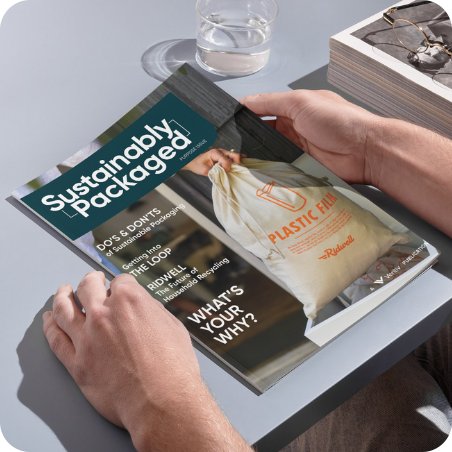
Sustainably Packaged Magazine

Veritiv’s magazine dedicated to Sustainable Packaging insights, trends & ideas. Available for download now.

Read Now >>

Sustainable Design Lab Podcast

Chris and Brodie chat with industry leaders about sustainable packaging options, new products, and how we can improve packaging sustainability.

Listen Now >>

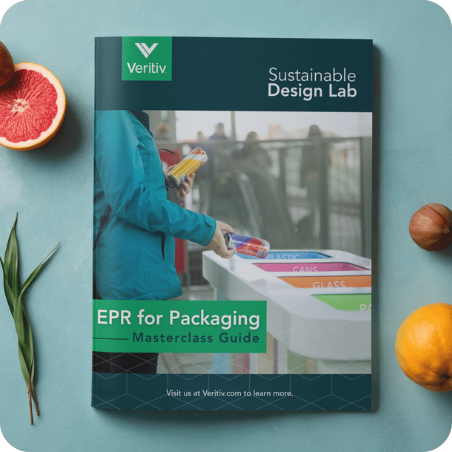
EPR for Packaging Masterclass Series

A companion piece to Veritiv’s SDL Packaging Masterclass Podcast series that explores the big ideas reshaping packaging. This guide walks you through the key elements of EPR programs and what they mean for your packaging strategy.

Learn More >>