
New Customer

Care to Compost: Lomi

Over 108 billion pounds of food goes to waste every year in the United States, with the vast majority of it winding up in landfills. Adding waste to a landfill has detrimental impacts on our environment, but when food ends up in landfills, it generates methane, a potent greenhouse gas. The methane emissions from municipal solid waste landfills in 2020 were approximately equivalent to the greenhouse gas emissions from about 20.3 million passenger vehicles driven for one year. Because of this, many companies and people are inspired to take action. Programs are set up to collect leftover food from grocery stores, restaurants, and catering companies to feed those in need and to prevent this food from turning to waste and going to landfills. But how can you, as a consumer, make a difference? The answer may be simpler than you think, and available in your own home.

Composting is a microbial process which turns your food and organic waste into nutrient-dense fertilizer. This process not only prevents your food waste from going to a landfill, but it also leaves you with fertilizer to use in your lawn, garden, or house plants. While traditional composting comes with many benefits, it also comes with the burden of having enough space, time, and patience to complete it. People with limited space, time, and resources (which sounds like many of us) may find this process daunting but are still inspired to make a difference with the food waste they create. The answer? The Lomi.

Lomi gives your food waste new life by turning it into nutrient-dense fertilizer all while being carbon neutral from manufacturing to destination for individuals or families who want to practice sustainability in their own homes. While it can fit into kitchens of all sizes, the most convenient aspect of Lomi is how fast and efficient it works. You can fill your Lomi with fruits, vegetables, grain and bread products, animal products, yard waste, and even Lomi approved products and packaging. Once filled, press the button on the front of the Lomi and it will begin breaking down your waste. In 3-20 hours, depending on the mode you choose, Lomi will turn your waste into nutrient rich fertilizer to be reused.

That fertilizer can go on to be used for growing our new food, both at home and in community gardens, continuing the cycle. Doing our part as individuals, like composting leftovers or food that can no longer be eaten, may feel small in the moment but together as a community, with tools like Lomi, our impact can be exponentially greater.

Related Articles

Sustainably Packaged Newsletter – April 2026

You’re committed to making better, more sustainable packaging choices and we’re here to help you do that. The Veritiv Sustainable Design Lab Newsletter is your monthly link to the latest insights, trends, and expert advice directly to your inbox, so you can stay ahead in the fast-evolving world of sustainable packaging.

Whether it’s new material innovations or practical design strategies, we’ve got the knowledge you need to make informed decisions and drive your sustainability efforts forward.
Read More »

Sustainably Packaged Newsletter – March 2026

You’re committed to making better, more sustainable packaging choices and we’re here to help you do that. The Veritiv Sustainable Design Lab Newsletter is your monthly link to the latest insights, trends, and expert advice directly to your inbox, so you can stay ahead in the fast-evolving world of sustainable packaging.

Whether it’s new material innovations or practical design strategies, we’ve got the knowledge you need to make informed decisions and drive your sustainability efforts forward.
Read More »

Want to learn more about

Sustainable Packaging?

We have created some resources to guide you in your transition to sustainable packaging:

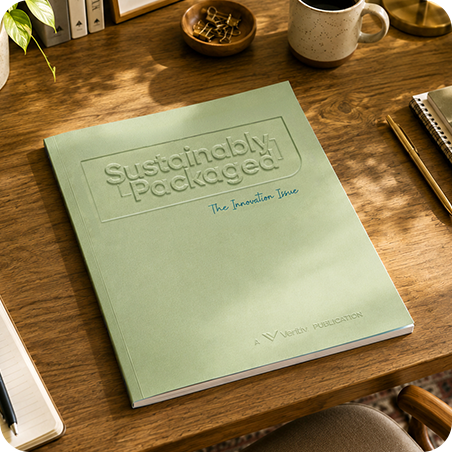
Sustainably Packaged Magazine

Veritiv’s magazine dedicated to Sustainable Packaging insights, trends & ideas. Available for download now.

Read Now >>

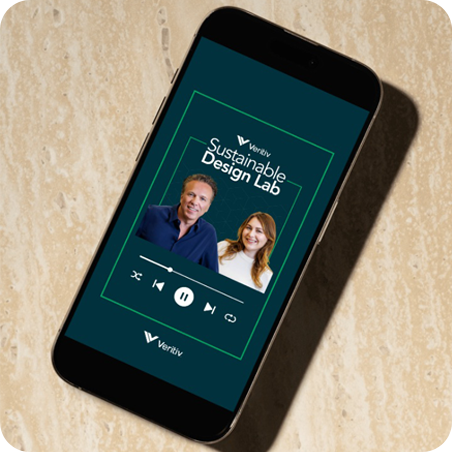
Sustainable Design Lab Podcast

Chris and Brodie chat with industry leaders about sustainable packaging options, new products, and how we can improve packaging sustainability.

Listen Now >>

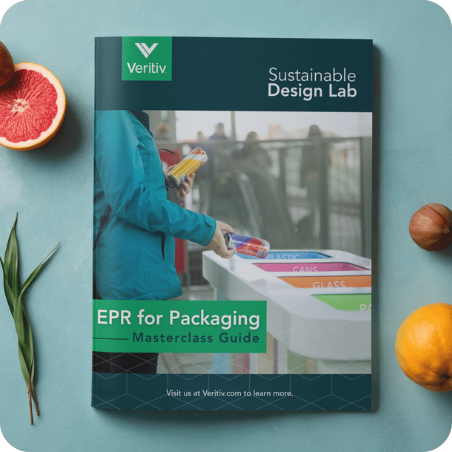
EPR for Packaging Masterclass Series

A companion piece to Veritiv’s SDL Packaging Masterclass Podcast series that explores the big ideas reshaping packaging. This guide walks you through the key elements of EPR programs and what they mean for your packaging strategy.

Learn More >>