

Practice Makes Sustainability
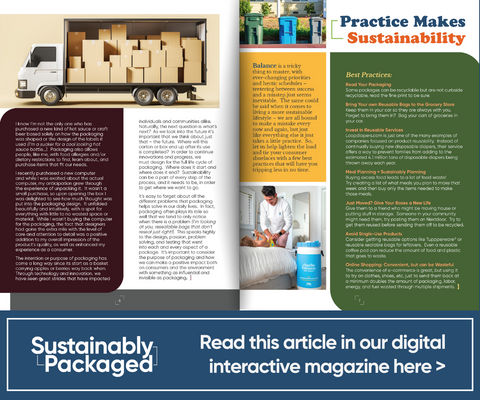
Balance is a tricky thing to master, with ever changing priorities and hectic schedules – teetering between success and a misstep just seems inevitable. The same could be said when it comes to living a more sustainable lifestyle – we are all bound to make a mistake every now and again, but just like everything else it just takes a little practice. So, let us help lighten the load and tie your consumer shoelaces with a few best practices that will have you tripping less in no time.
Best Practices:
- Read your packaging.
Some packages can be recyclable but are not curbside recyclable, read the fine print to be sure.
- Read your packaging.
- Bring your own reusable bags to the grocery store.
Keep them in your car so they are always with you. Forget to bring them in? Bag your cart of groceries in your car.
- Bring your own reusable bags to the grocery store.
- Invest in reusable services.
Loopdiapers.com is just one of the many examples of companies focused on product reusability. Instead of continually buying new disposable diapers, their service offers a way to prevent families from adding to the estimated 4.1 million tons of disposable diapers being thrown away each year.
- Invest in reusable services.
- Meal Planning = Sustainably Planning
Buying excess food leads to a lot of food waste! Try creating a list of what meals you plan to make that week and then buy only the items needed to make those meals.
- Meal Planning = Sustainably Planning
- Just moved? Give your boxes a new life
Give them to a friend who might be moving house or putting stuff in storage. Someone in your community might need them, try posting them on Nextdoor. Try to get them reused before sending them off to be recycled.
- Just moved? Give your boxes a new life
- Avoid Single Use Products
Consider getting reusable options like Tupperware or reusable sealable bags for leftovers. Even a reusable coffee pod can reduce the amount of food and plastic that goes to waste.
- Avoid Single Use Products
- Online shopping: convenient but can be wasteful
The convenience of E-commerce is great, but using it to try on clothes, shoes, etc. Just to send them back at a minimum doubles the amount of packaging, labor, energy, and fuel wasted through multiple shipments.
- Online shopping: convenient but can be wasteful
Related Articles

Sustainably Packaged Newsletter – April 2026
You’re committed to making better, more sustainable packaging choices and we’re here to help you do that. The Veritiv Sustainable Design Lab Newsletter is your monthly link to the latest insights, trends, and expert advice directly to your inbox, so you can stay ahead in the fast-evolving world of sustainable packaging.
Whether it’s new material innovations or practical design strategies, we’ve got the knowledge you need to make informed decisions and drive your sustainability efforts forward.

Sustainably Packaged Newsletter – March 2026
You’re committed to making better, more sustainable packaging choices and we’re here to help you do that. The Veritiv Sustainable Design Lab Newsletter is your monthly link to the latest insights, trends, and expert advice directly to your inbox, so you can stay ahead in the fast-evolving world of sustainable packaging.
Whether it’s new material innovations or practical design strategies, we’ve got the knowledge you need to make informed decisions and drive your sustainability efforts forward.
Want to learn more about
Sustainable Packaging?
We have created some resources to guide you in your transition to sustainable packaging:
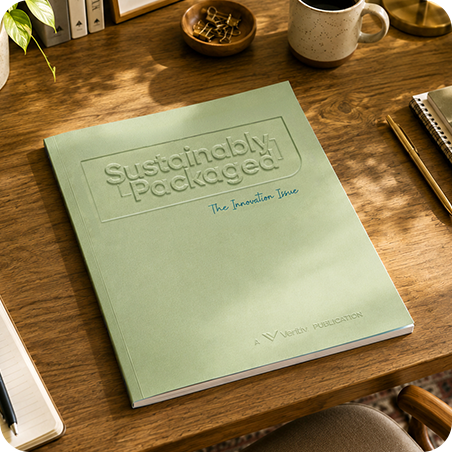
Sustainably Packaged Magazine
Veritiv’s magazine dedicated to Sustainable Packaging insights, trends & ideas. Available for download now.
Sustainable Design Lab Podcast
Chris and Brodie chat with industry leaders about sustainable packaging options, new products, and how we can improve packaging sustainability.
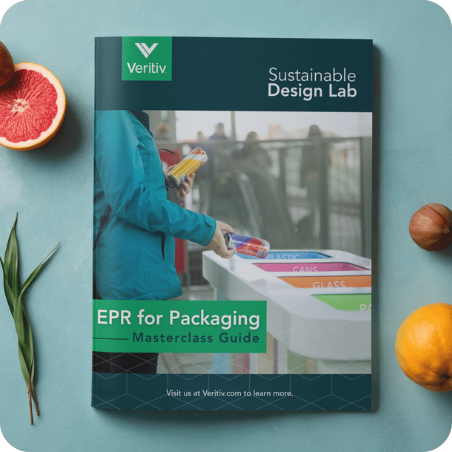
EPR for Packaging Masterclass Series
A companion piece to Veritiv’s SDL Packaging Masterclass Podcast series that explores the big ideas reshaping packaging. This guide walks you through the key elements of EPR programs and what they mean for your packaging strategy.